Celtic Cross tarot reading
The full ten. For one big question you want taken apart properly.
- 10cards dealt
- 78in the deck
- Freeno sign-up, nothing saved
ExampleCeltic Cross · “Why does my career keep stalling?”ask your own question above
Your cards
the draw, and what each position asksYour cards are face down. Tap each one to turn it over.
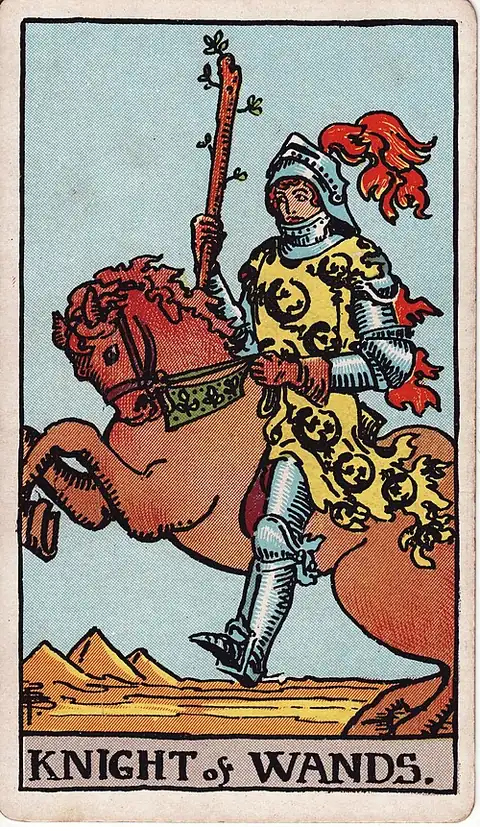
Full gallop, all charm and no brakes. Gets things moving; does not always arrive.
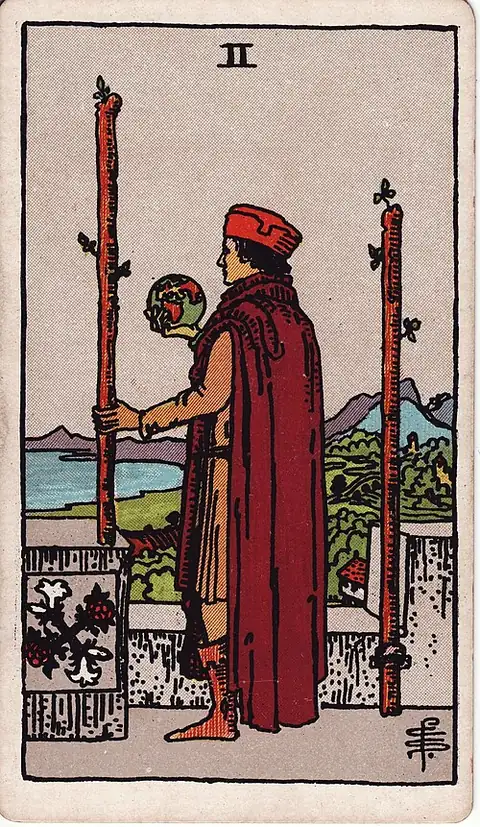
Standing with the map, one hand on the world. The plan is real but you have not left yet.
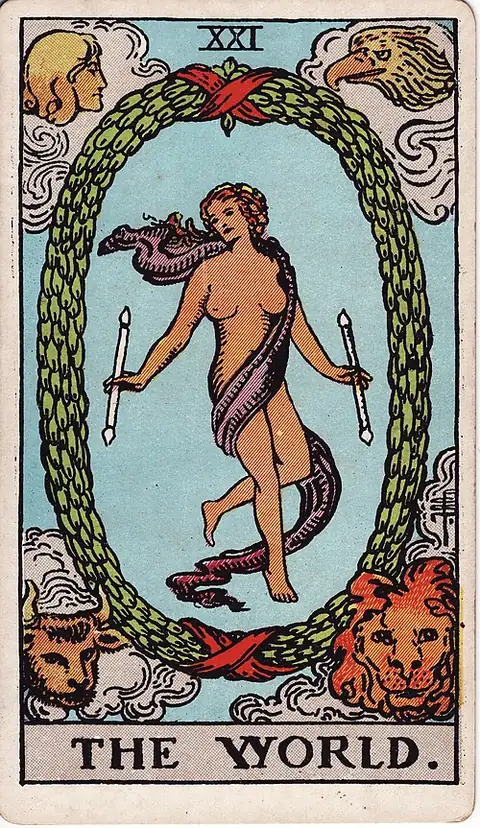
So close. One loose end is holding the whole thing open.
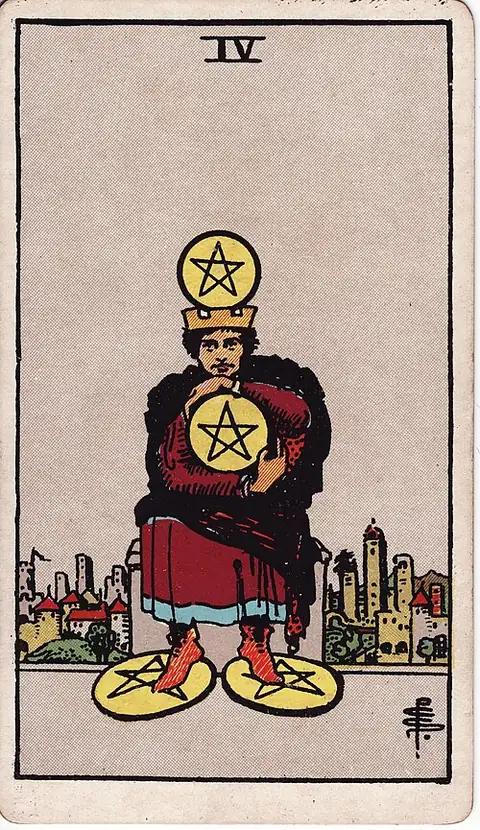
The grip loosening, by choice or otherwise.
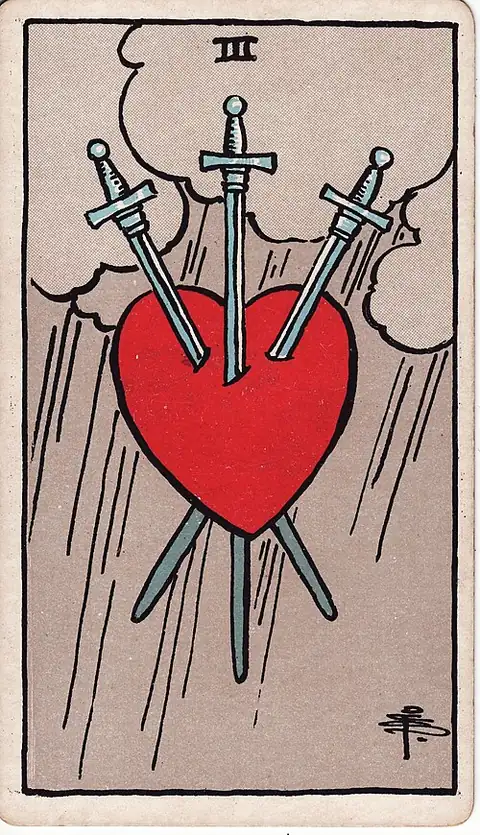
The beginning of mending, or a wound kept open on purpose.
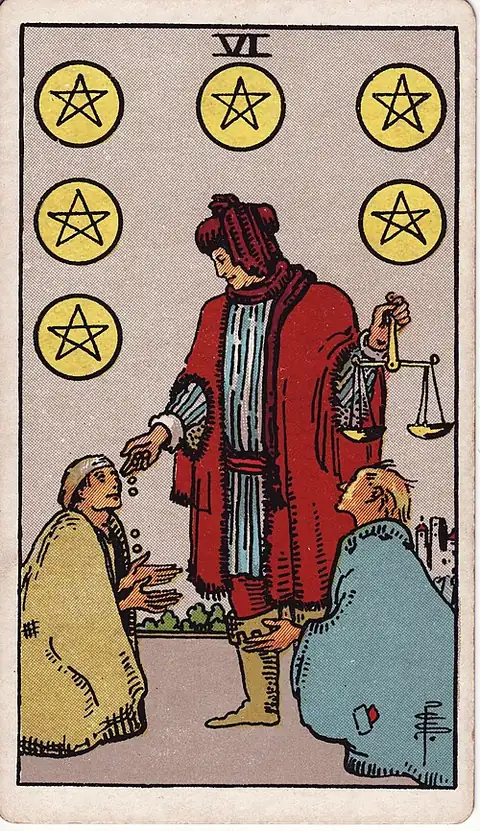
Coins and a set of scales. Generosity that is measured — and a question about who holds the scales.
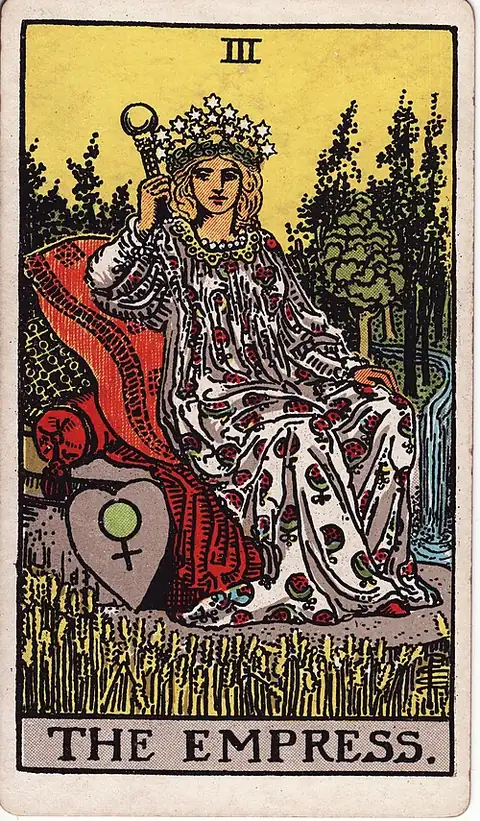
Care that has turned into control, or a thing left unwatered too long.
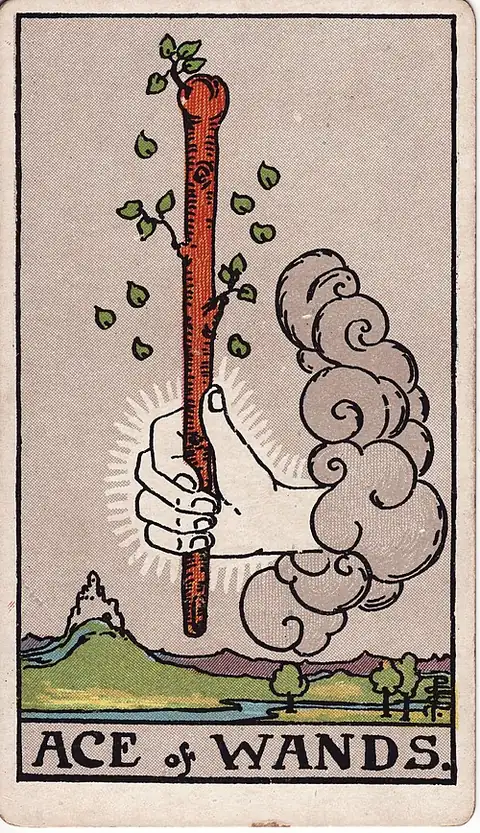
A spark that goes nowhere, or enthusiasm arriving before a plan does.
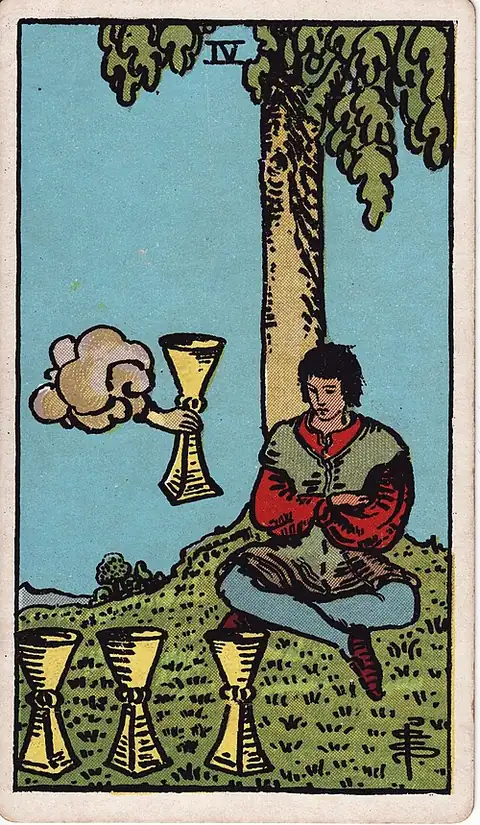
Three cups you are bored of and a fourth being offered that you have not looked at.
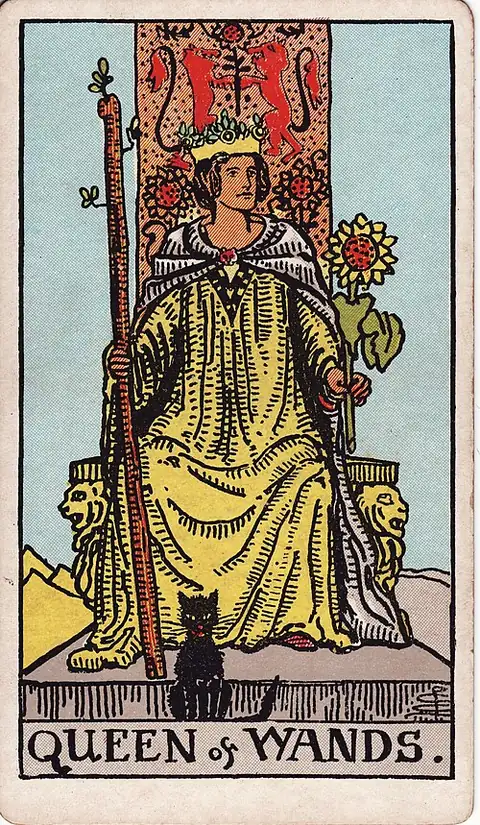
Confident without needing the room's permission. Warm, direct, and hard to ignore.
Confident without needing the room's permission. Warm, direct, and hard to ignore.
- The Ace of Wands — something here genuinely begins rather than carries on.
- 2 Fours — the same thing pressing in more than one place.
- 4 of the 10 are Wands — this is being decided by drive and momentum, not by circumstance.
- A mix of major and minor — some of this is yours to move and some is not
How it is laid out
what each position answers- 1The heart of itThe matter itself
- 2What crosses itWhat complicates or opposes it
- 3The rootWhat it grew out of, often long ago
- 4The recent pastWhat has just been and is passing
- 5What is possibleThe best that is available here
- 6The near futureWhat arrives next
- 7You in itHow you are standing in it
- 8The people around itWhat everyone else is doing to it
- 9Hopes and fearsWhat you want and what you dread, usually the same
- 10The outcomeWhere all of it lands
What a Celtic Cross reading is for
and when to use another oneUse this for a big question. Something that has been going on for years, has more than one cause, and that you have already talked about with everybody you trust. Ten cards is a lot, and this is the question that needs them.
Do not bring it a small question. Ten cards will find ten things to say about anything, and that is how this spread goes wrong rather than how it helps. For something ordinary the three-card reading is faster and sharper.
Do not read all ten at once. Read the first two, the matter and what crosses it, and stop until they make sense together. Then read the four up the staff: you, other people, what you hope and fear, and where it leads. The cross is the situation. The staff is your part in it.
The other readings
5 moreSame 78 cards and the same shuffle. What changes is how many are dealt and what each one is answering.
 1 cardOne cardOne question, one card. The whole of it in a sentence.Draw 1 card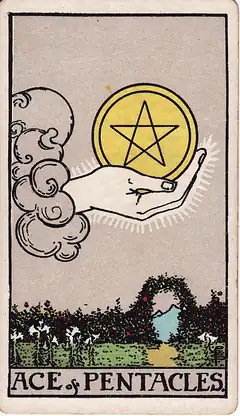
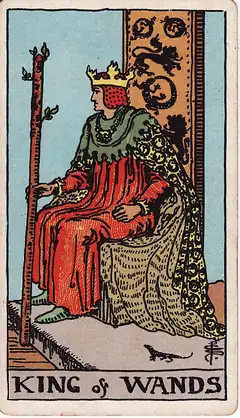
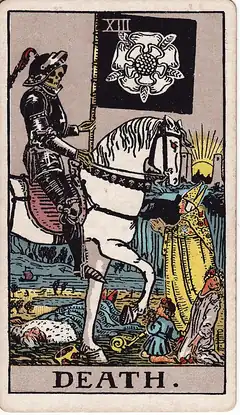 3 cardsPast, present, futureThe usual three: where it came from, where it stands, where it is going.Draw 3 cards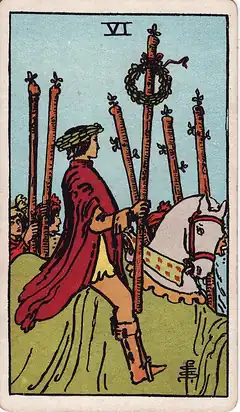
 3 cardsWhat should I doThree cards for when you want to know what to actually do.Draw 3 cards
 3 cardsYes or noThree cards, each leaning for or against, and the count decides. A tie is a plain maybe.Draw 3 cards
 5 cardsLove and relationshipFive cards on one relationship — both sides, what joins you, what is in the way.Draw 5 cards
Questions about the Celtic Cross reading
3 of themWhy ten cards?
Six make a cross that describes the situation: the matter, what crosses it, its root, what has just passed, what is possible and what comes next. Four more up the side are your part in it: you, the people around it, what you hope and fear, and where it leads.
Do I have to read all ten?
Not at once, and trying to is how this spread goes wrong. Read the first two together and stop until they make sense. The cross is the situation and the staff is you in it. They are two readings that happen to be dealt together.
Two of my cards say opposite things.
That is usually the reading rather than a fault in it. The second card is called "what crosses it" exactly because it is meant to contradict the first, and a spread this size is describing something with more than one thing going on in it.