
Your own kundli, freeSign in to keep your birth details, chats and reports in one place.Sign inCreate account
Consult
Free tools
Today’s panchangall five angas with exact timesTithithe lunar day, and when it endsNakshatrathe Moon’s position todayHorathe planetary hour, all twenty-fourRahu Kaalthe time to avoid starting new workChoghadiyaday and night, each split into eightFestivalsDiwali, Holi and 81 more, with the rule behind each dateVratEkadashi with parana, Purnima, Amavasya, Pradosh
More
Love tarot reading
Five cards on one relationship — both sides, what joins you, what is in the way.
01
Your cards
the draw, and what each position asksThe questionWhere is our relationship heading, with our families not yet agreed?
SpreadThe two of you
Your cards are face down. Tap each one to turn it over.
You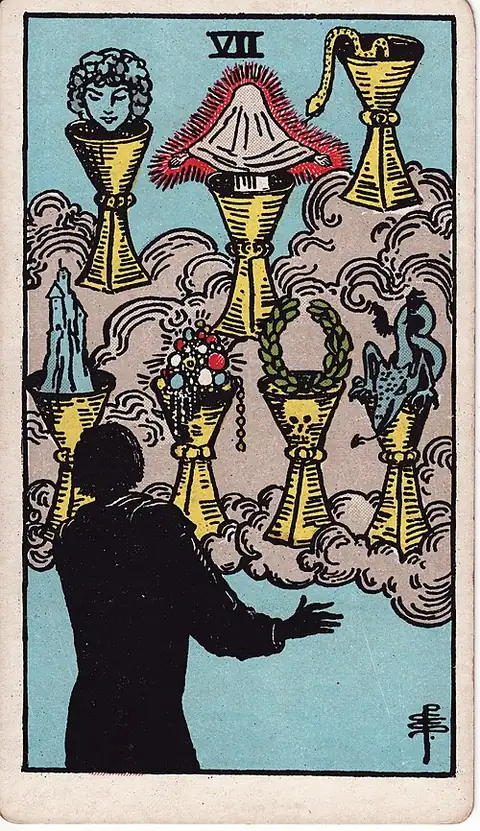 Seven of Cupsupright
Idealising rather than seeing. Look at who is actually there.
optionsfantasytoo much choice
What you bring to itThem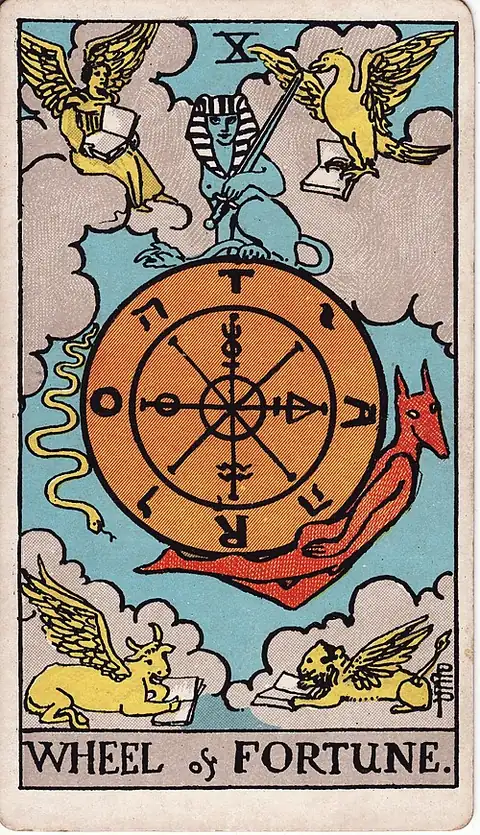 Wheel of Fortuneupright
Chance meetings, and cycles you have been round before.
turninglucktiming
What they bring to itWhat joins you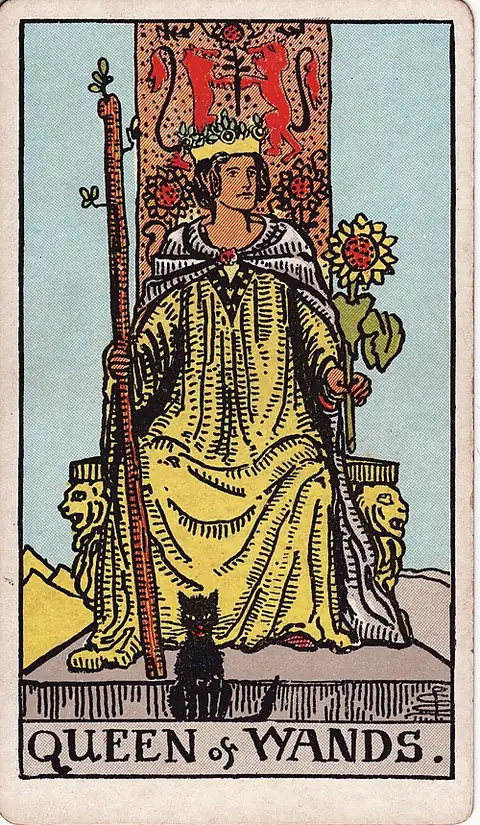 Queen of Wandsupright
Someone magnetic who knows exactly what she wants.
warmthpresenceself-possession
The thing you actually shareWhat is in the way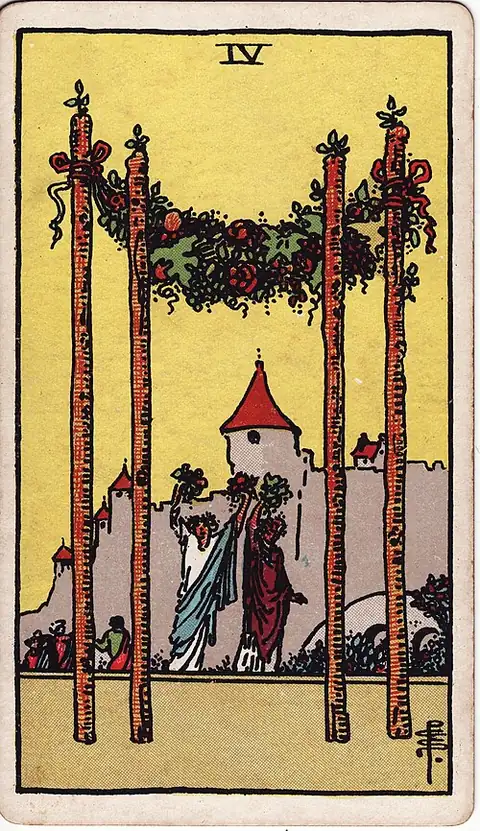 Four of Wandsupright
A sagai or a shaadi: a union announced and welcomed by both families.
celebrationhomearriving
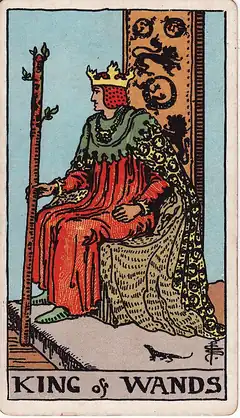
What keeps getting in the wayWhere it is heading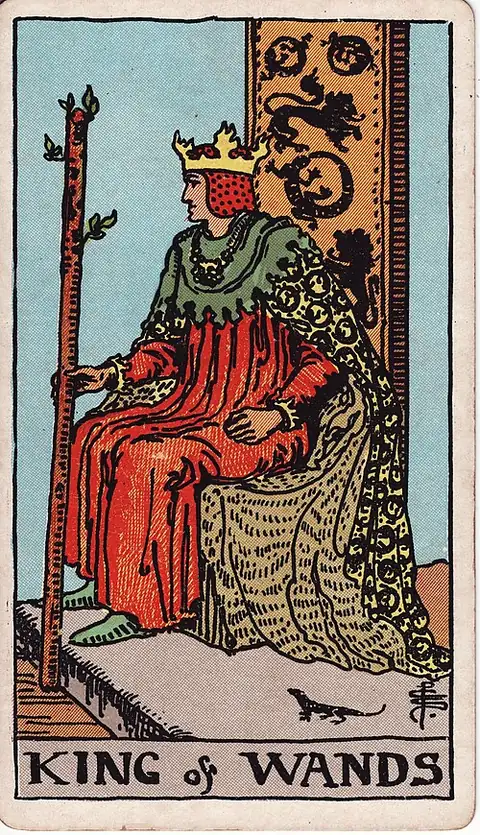 King of Wandsreversed
Certainty with nobody left to convince, or a vision with no hands on it.
autocratimpatientall vision
Where it goes from hereDeal summary
- 2 court cards — people are deciding this more than circumstances are.
- 3 of the 5 are Wands — this is being decided by drive and momentum, not by circumstance.
- A mix of major and minor — some of this is yours to move and some is not
Reading it together
Your card, the Seven of Cups, says you are holding several futures in your head at once: which city, which family's way, how soon. Their card, the Wheel, is a cycle they have been round before: the same talk, the same stand-off, coming back again. What joins you is real warmth and confidence, the Queen of Wands. What is in the way is, oddly, the Four of Wands: the celebration itself, the families' ideas of how the wedding should be done. And the direction, the King of Wands reversed, is a plan everyone believes in and nobody is carrying out. The reading: stop waiting for the families to come round on their own. Decide together what you want, then take it to them.
02
How it is laid out
what each position answers- 1YouWhat you bring to it
- 2ThemWhat they bring to it
- 3What joins youThe thing you actually share
- 4What is in the wayWhat keeps getting in the way
- 5Where it is headingWhere it goes from here
03
What a love reading is for
and when to use another oneWhen to use five cards
One relationship, and you want both sides of it rather than only yours. It works for a rishta being talked about, a marriage, a relationship your family does not know about yet, a friendship that has gone strange, and for a parent just as well as for a partner.
When to use another reading
If the question is really about a decision, such as stay, leave or speak, take Situation, action, outcome. If you want the shape of the whole thing rather than the two of you inside it, take the Celtic Cross.
How to read what you get
Read your card and their card as a pair before you read anything else, and do not explain theirs away. What joins you is the one people skip, and it is usually the one that explains the other four. The obstacle is rarely a person. It is usually a habit both of you have.
Read it with a tarot reader
three who read tarotA reading goes further talked through. Ask one of these three about the cards you drew, or have them draw on your question.
Tap a question and it is asked for you


When you want the calculated answer
reports from your own kundli- Love & Marriage reads your own birth chart: when marriage is likely, love or arranged, and what is in the way.
- Kundli Matching reads the two of you from both birth charts: the 36 gunas, Mangal dosha and more. A card is not a Guna Milan.
Love & Marriage
When marriage comes, dated; love or arranged; the spouse; what is delaying it.
27 pagesEnglish · Hindi · Hinglish
Kundli Matching
Both kundlis matched — 36 gun, Mangal and Nadi dosha, and the verdict.
25 pagesEnglish · Hindi · Hinglish
04
The other readings
5 moreSame 78 cards and the same shuffle. What changes is how many are dealt and what each one is answering.
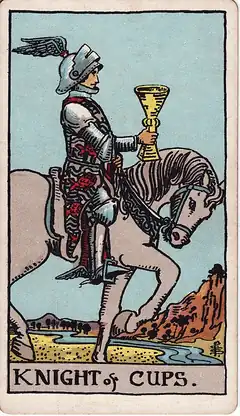 1 cardOne cardOne question, one card. The whole of it in a sentence.Draw 1 card
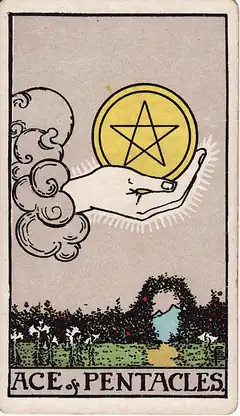
 3 cardsPast, present, futureThe usual three: where it came from, where it stands, where it is going.Draw 3 cards
 3 cardsWhat should I doThree cards for when you want to know what to actually do.Draw 3 cards
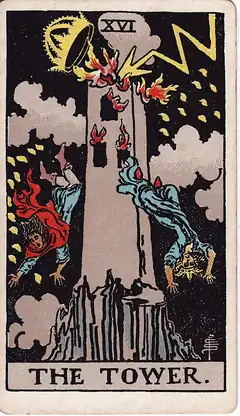
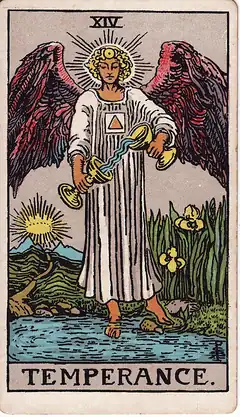
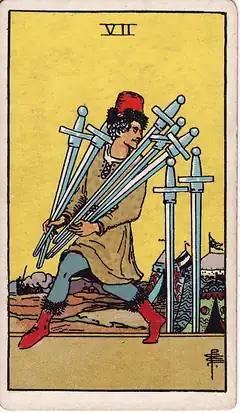 3 cardsYes or noThree cards, each leaning for or against, and the count decides. A tie is a plain maybe.Draw 3 cards
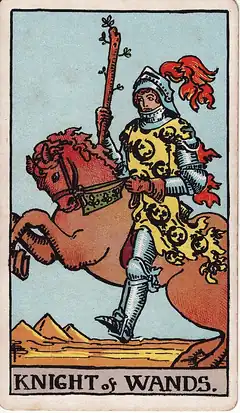
 10 cardsCeltic CrossThe full ten. For one big question you want taken apart properly.Draw 10 cards
05
Questions about the love reading
3 of themCan I do this about someone who does not know?
The cards will deal either way. Two of the five are your side of it, and those are the two most worth your attention — a reading of somebody else that never touches you is a reading you cannot use.
Does it work for friendships and family?
Yes. Nothing in the five positions is romantic: you, them, what joins you, what is in the way, where it is heading. It reads a brother or a business partner just as well as a partner.
Their card is much worse than mine. What does that mean?
Less than it feels like. Cards are not scores and the deck is not ranking the two of you. Read the position rather than the card. Ask what they bring to it, in one image. Then read what joins you, which is the one people skip.
A shuffle answers the moment. Your kundli answers the year.
Ask one of 24 AI astrologers about the cards you drew, or about what your own chart says. You pay by the minute.






Chat with an AI astrologer
24 AI astrologers trained in Vedic Jyotish. Chat in any Indian language; call in Hindi and English.Astro VyasaVedic astrology & kundli analysisAstro PremMarriage astrology & kundli matchingAstro KuberWealth & financial astrologyAstro VaidyaHealth & wellness astrologyChat from Call from Billed per minute, only while your chat or call is on. End it any time.