
Yes or no tarot
Three cards, each leaning for or against, and the count decides. A tie is a plain maybe.
- 3cards dealt
- 78in the deck
- Freeno sign-up, nothing saved
ExampleYes or no · “Will we buy the flat this year?”ask your own question above
Your cards
the draw, and what each position asksYour cards are face down. Tap each one to turn it over.
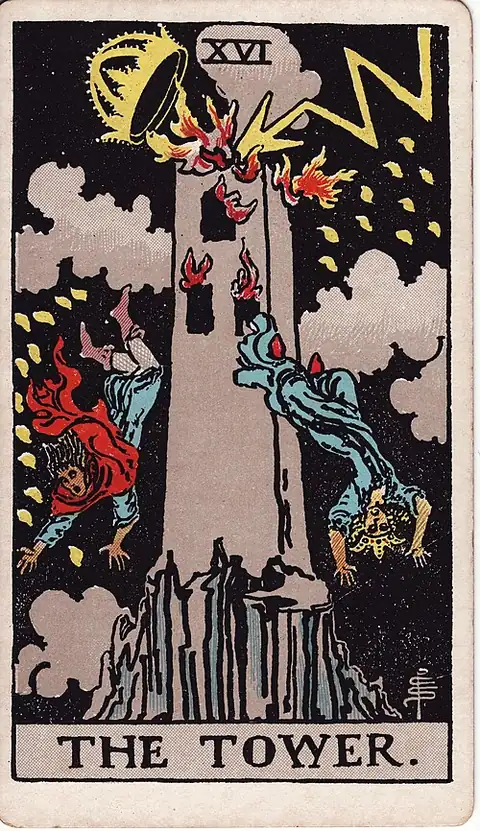
The crash postponed rather than avoided, or living braced for one.
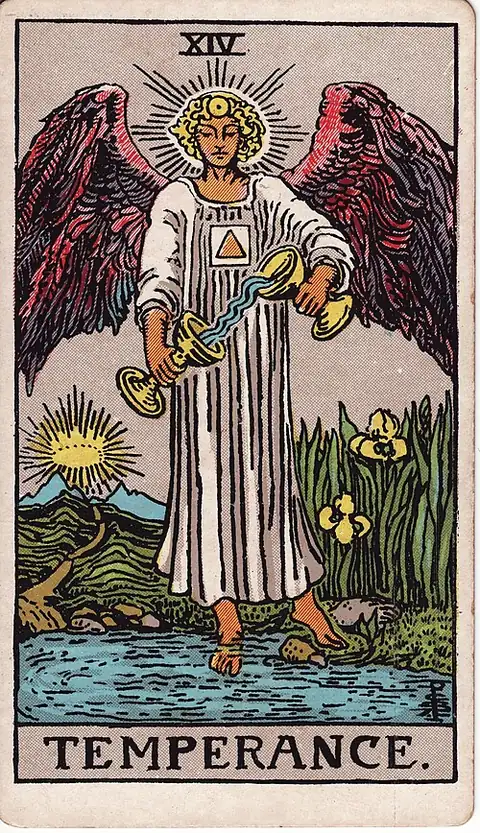
Two things that do not obviously mix, mixed slowly and carefully. Moderation as a skill, not a compromise.
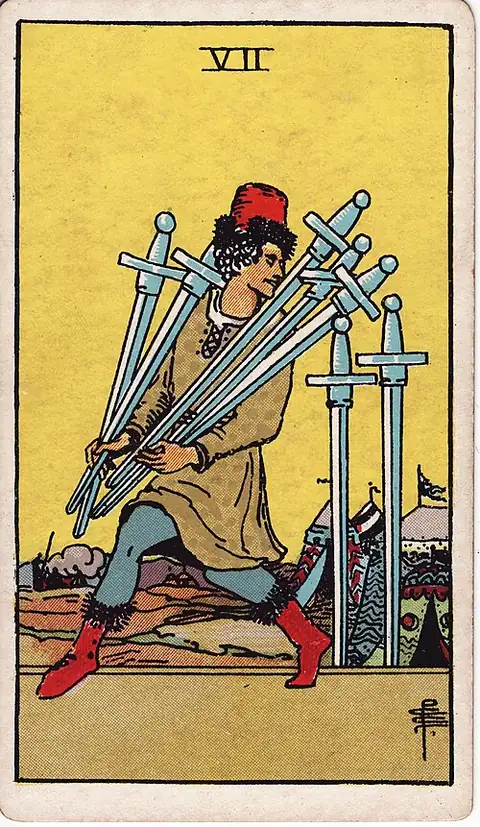
Found out, or deciding to come clean before you are.
- The Tower reversedfor
- Temperancefor
- Seven of Swords reversedfor
- 2 of the 3 came up reversed — there is more friction here than flow.
- Mostly major arcana — this is a bigger question than it looks
How it is laid out
what each position answersEvery card in the deck leans one way, the other, or neither. Three are drawn, a reversed card leans the opposite way to how it reads upright, and the count decides. When it ties the answer is maybe and it says so — a deck that always answers is a deck that is guessing.
Nothing is weighted toward a happy answer. Over three thousand draws this deck says no 39% of the time, yes 37%, and maybe the rest. The three cards and how each one leant are printed with the answer, so the count is yours to check.
- 1First
- 2Second
- 3Third
What a yes or no reading is for
and when to use another oneUse this when the question really is closed and you have been thinking about it for days. The count gives you something to react to, and your own reaction to the answer usually tells you more than the answer does.
Most questions are not really yes or no. If you catch yourself asking again with different words, or wanting to know why, the three-card reading or Situation, action, outcome will work better than a second count.
Read the three cards, not only the word. The answer is a sum of how they leaned, and two cards leaning hard one way with a third against is a different situation from three that barely lean at all. The working is printed under the answer for that reason.
The other readings
5 moreSame 78 cards and the same shuffle. What changes is how many are dealt and what each one is answering.
 1 cardOne cardOne question, one card. The whole of it in a sentence.Draw 1 card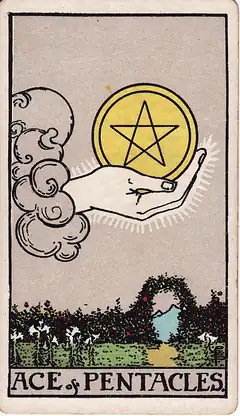
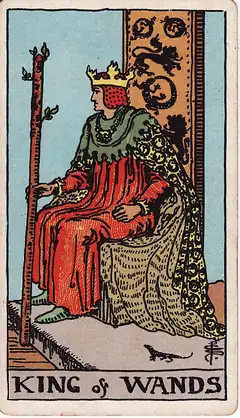
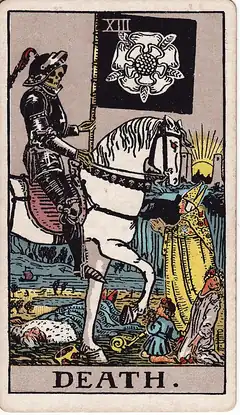 3 cardsPast, present, futureThe usual three: where it came from, where it stands, where it is going.Draw 3 cards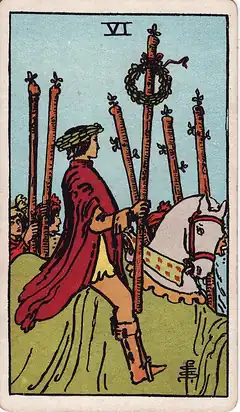
 3 cardsWhat should I doThree cards for when you want to know what to actually do.Draw 3 cards
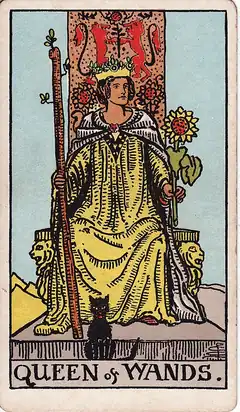 5 cardsLove and relationshipFive cards on one relationship — both sides, what joins you, what is in the way.Draw 5 cards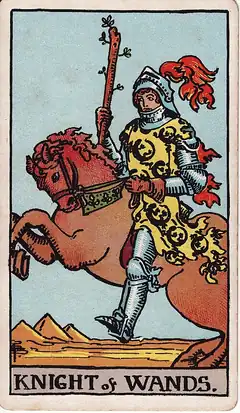
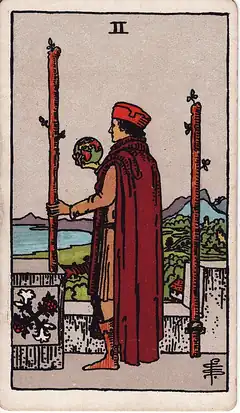
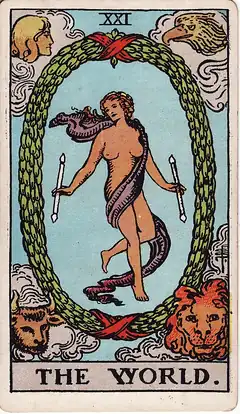 10 cardsCeltic CrossThe full ten. For one big question you want taken apart properly.Draw 10 cards
Questions about the yes or no reading
3 of themWhy did it say maybe?
Because the count tied. Each card leans for, against or neither, a reversed card leans the opposite way, and when the sum is zero the honest answer is that the deck is not leaning. A deck that always answers is a deck that is guessing.
Can I ask again if I do not like the answer?
You can, and the cards will differ, which is the reason to think about it first. Asking twice usually means you did not like the answer, not that it was unclear.
Is a reversed card automatically a no?
No. A reversed card leans the opposite way to how it leans upright, so a reversed card that leans against when upright is leaning for when reversed. The three leanings are printed under the answer so you can see the arithmetic rather than take it on trust.